Cozy Bedroom Ideas on a Budget: 15 Small Changes, Big Comfort
Some links in our guides may earn us a commission at no extra cost to you — here's why we only recommend what we'd buy.

Jump to a section
A cozy bedroom is not about square footage or expensive furniture. It is about layers, warm light, and texture — the things that tell your nervous system it is safe to relax. And none of them require a big budget. These cozy bedroom ideas on a budget start with the bed, fix the lighting, settle on a calm palette, and finish with fifteen small changes that cost under $15 each. Together, they turn any bedroom — rented, tiny, or tired — into the room you actually look forward to at the end of the day.
Start With the Bed: Layers Beat Thread Count
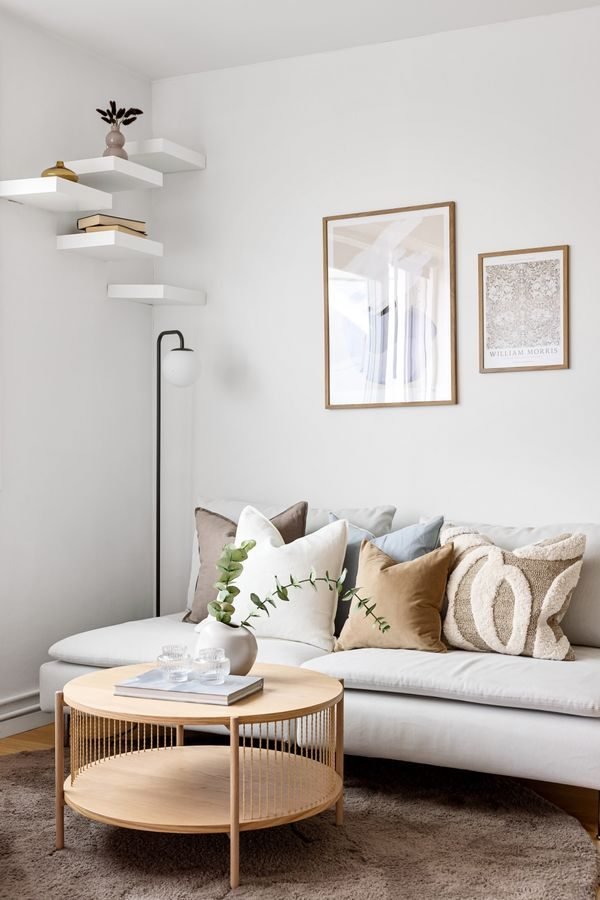
The bed is the largest thing in the room, so it sets the entire mood. Coziness comes from visible layers, not from one expensive duvet. Start with your usual bedding, then add: a flat sheet or lightweight blanket folded across the foot of the bed, a textured throw draped at an angle (not folded into a perfect rectangle — casual reads cozier), and a simple pillow formula: your sleeping pillows, two larger euro or standard pillows behind them, and one or two smaller accent cushions in front. Stick to one color family — creams, rusts, and warm grays, for example — and the whole arrangement looks styled rather than random. A $25 throw and two $12 cushion covers can transform a bed that currently looks flat.
Warm Up the Light
Nothing kills coziness faster than a single harsh overhead light. Bedrooms need low, warm, layered light — and it is one of the cheapest fixes in the house. Swap every bulb for warm-white (2700K); the difference is immediate and costs a few dollars. Add one lamp per bedside if you can — matching thrift-store lamps with new shades are ideal — because light at pillow height is what makes a bedroom feel intimate. A string of warm fairy lights along a headboard, shelf, or window frame adds glow for under $10, and a plug-in dimmer on the main lamp lets you tune the mood. If you do one thing from this entire article, do this: warm light is half of "cozy."
Hearthly tip: ban cool-white "daylight" bulbs from the bedroom entirely. They are great for a garage workbench; they are terrible for winding down.
Color and Texture: The Calm, Cozy Palette
Color and texture work as a pair: restrained color keeps the room calm, while layered texture keeps it from feeling flat. Get these two right and the room does half the work for you.
Pick a Calm Three-Color Palette
Cozy rooms are calm rooms, and calm comes from restraint. Choose three colors: a dominant neutral (warm white, soft beige, warm gray), a secondary tone (sage, dusty blue, terracotta), and one small accent (brass, rust, deep green). Then repeat each color at least three times around the room — bedding, curtains, a cushion; a frame, a plant pot, a throw. Repetition is what makes a palette feel deliberate instead of accidental. When shopping, carry a photo of your three colors on your phone so every purchase — thrifted or new — gets checked against the plan before it comes home.
A Headboard for Under $50 (No Power Tools Needed)
A headboard anchors the bed and makes the whole room look finished, and you do not need carpentry skills to get one. The simplest version: a large piece of foam board or plywood-free upholstered panel — actually, simplest of all is a curtain panel hung on a tension rod or adhesive hooks behind the bed, floor to just above pillow height, in a textured fabric like linen or velvet. It reads as an upholstered headboard for about $30. Other renter-friendly options: peel-and-stick headboard panels that apply directly to the wall, a large piece of art or a textile wall hanging centered behind the bed, or two big thrifted frames hung side by side. Any of these gives the bed the visual weight it needs.
Add Texture Everywhere
Texture is the secret ingredient of cozy — it is what makes a room feel soft even where you cannot touch it. A rug beside the bed (or a runner on each side) means your feet land on something warm every morning; low-pile washable rugs handle bedrooms well and cost far less than plush ones. Swap thin blinds or bare windows for curtains hung high and wide — even inexpensive panels in a natural fabric change the room's acoustics and warmth. Layer in a chunky knit throw, a woven basket for the extra blanket, and one natural material somewhere visible: wood, rattan, linen. Each texture is cheap on its own; together they create the richness people associate with expensive bedrooms.
15 Small Changes Under $15 Each
Big comfort is mostly small decisions added up. Every one of these costs less than $15:
- Swap to warm-white bulbs in every bedroom lamp.
- Drape a throw across the foot of the bed at an angle.
- Add a $10 string of warm fairy lights along the headboard.
- Put a small rug or runner on each side of the bed.
- Decant clutter from the nightstand into one small tray.
- Hang curtains high and wide, even inexpensive ones.
- Add one cushion cover in your accent color.
- Place a carafe and glass on the nightstand.
- Put a lidded basket in the corner for the extra blanket.
- Swap a bare overhead bulb for a paper lantern shade.
- Frame one favorite photo instead of leaving it on your phone.
- Add a small plant — pothos and snake plants forgive neglect.
- Fold the duvet down a third to show the sheet layer.
- Put matching pillowcases on every pillow, no exceptions.
- Clear one surface completely — an empty dresser top calms the whole room.
Cozy Bedroom Mistakes to Avoid
- Overhead-only lighting. One ceiling light, however pretty the fixture, can never create a cozy mood. Bedrooms need lamps.
- More throw pillows than you can be bothered to move. If getting into bed requires relocating six cushions, you will stop bothering — and the bed will stop looking inviting. Three to five total is the sweet spot.
- A cluttered nightstand. Chargers, books, water glasses, and random papers kill the calm. One tray, three items max.
- Cool-toned everything. Gray walls, white bedding, and chrome can look sleek but feel cold. Warm up at least one element — wood tones, warm metals, or a warm textile.
- Buying a matching bedroom set. Sets look flat and cost more than mixing. A thrifted nightstand, a simple bed frame, and a dresser in a related wood tone look richer for less.
Final Thought
A cozy bedroom is built, not bought — one layer, one warm bulb, one texture at a time. Start with the bed, warm the light, settle your three colors, and work through the $15 list over a few weekends. None of these changes is dramatic on its own, but stacked together they do what expensive furniture cannot: make the room feel like the softest place in your home. That is what cozy actually means.