Thrift Store Home Decor Finds: What to Buy and What to Walk Past
Some links in our guides may earn us a commission at no extra cost to you — here's why we only recommend what we'd buy.
Jump to a section
A great thrift store is the best home decor shop that never advertises — and the most dangerous one for your budget. For every solid-wood dresser hiding under a layer of dust, there are twenty wobbly particleboard shelves, chipped mugs, and suspiciously stained armchairs waiting to follow you home. The difference between a thrift haul you love and a car full of regret is not luck. It is knowing exactly what to buy on sight and what to walk past without a second glance. This guide covers both: the thrift store home decor finds worth your money, the items that are never worth it, how to judge quality in under a minute, and the simple pricing rule that keeps secondhand shopping genuinely cheap.
The Best Thrift Store Home Decor Finds
Some categories are thrift-store gold almost every time. These are the items where secondhand quality beats buying new at the same price, because they were built to last or they cost very little to refresh:
- Solid wood furniture. Dressers, nightstands, side tables, and dining chairs are the number-one thrift find. A $25 solid-wood dresser plus $10 of paint beats a $120 flat-pack piece that will wobble within a year. Look for dovetail joints on drawers and real weight when you lift a corner.
- Picture frames. Wood and metal frames are almost always worth grabbing, especially larger ones. Glass included is a bonus. A $3 frame filled with a free printable looks like a $40 piece from a home store.
- Mirrors. Heavy, real-glass mirrors cost a fortune new and almost nothing used. Check the silvering for dark spots around the edges, and make sure the backing is intact.
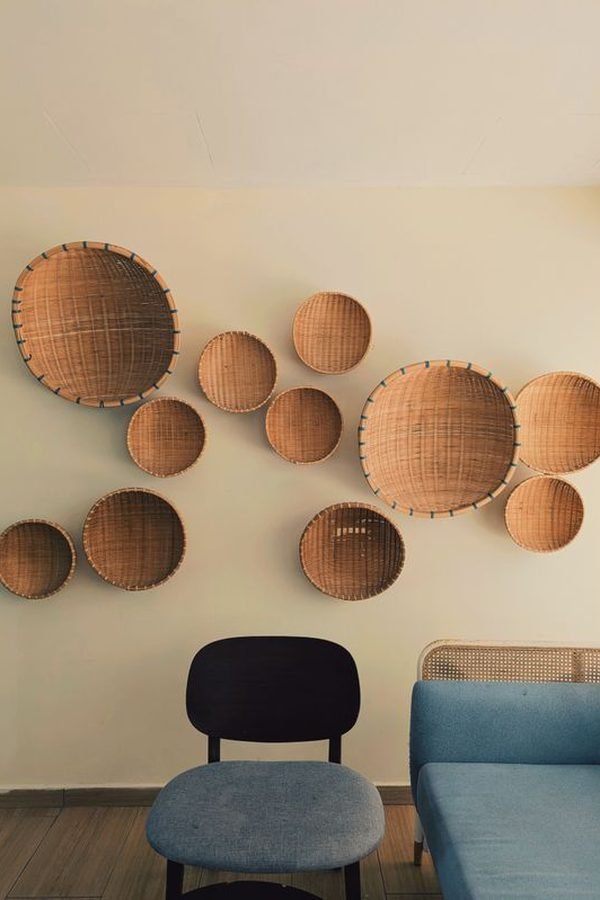
- Baskets. Seagrass, wicker, and rattan baskets are styling workhorses — toy storage, plant covers, blanket holders. They rarely wear out, and a quick wipe makes them look new.
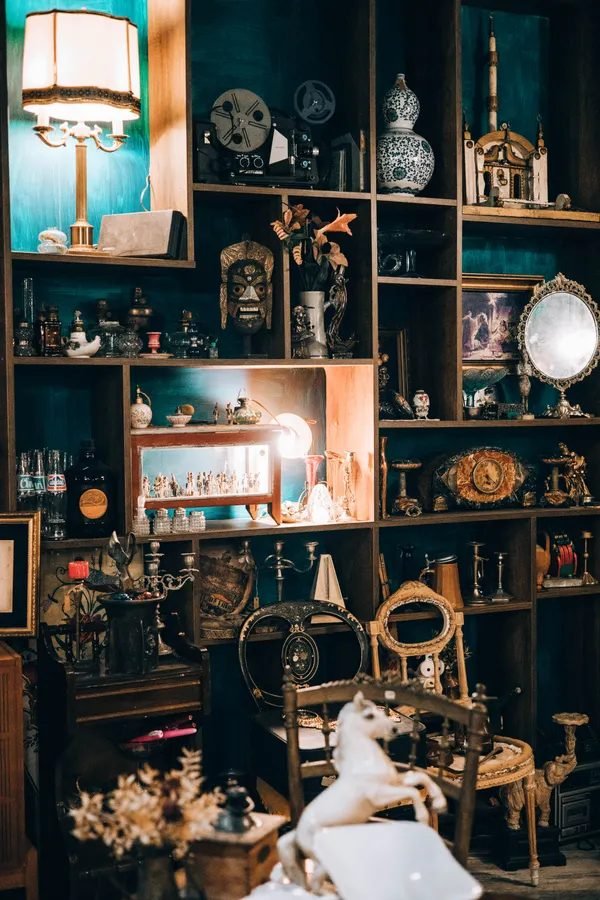
- Glass vases, decanters, and jars. Heavy glass reads expensive no matter where it came from. Clear and amber glass are the most versatile; avoid anything with a dated etched pattern you would not choose new.
- Lamps. Solid lamp bases in brass, ceramic, or wood are easy wins — rewiring is rarely needed, and a new $15 shade transforms even an ugly base. Always check that the socket and cord are undamaged.
- Ceramic planters and pottery. Handmade-looking stoneware and terracotta pots add the texture that makes a room feel collected. Check for hairline cracks by tapping — a clean ring means it is sound.
- Hardcover books and vintage prints. For styling shelves and coffee tables, nobody can tell where a book came from. Choose spines in colors that suit your palette.
What to Walk Past at Thrift Stores
Walking past is a skill. These are the items that cost more in cleaning, repairs, or regret than they are worth:
- Upholstered furniture with stains, odors, or sagging cushions. Reupholstering costs more than buying new, and deep-set smells rarely leave. A solid wood frame with bad upholstery is a project; a stained sofa is a problem.
- Water-damaged particleboard. Swollen edges, bubbling laminate, and soft spots cannot be fixed with paint. Press the edges — if they give, leave it.
- Chipped dishes and cracked food containers. Chips harbor bacteria and cracked glaze can leach. Decorative-only ceramics are fine; anything you eat from should be flawless.
- Anything priced near retail. Thrift stores are not automatically cheaper. If a used basket is $12 and the same one is $14 new, buy new. Check prices on your phone before you commit.
- Electronics you cannot test in the store. Most thrift stores have a no-returns policy. If there is no outlet to plug it into, assume it does not work.
- Used mattresses, pillows, and bedding. Hygiene items are the one category where new budget options beat secondhand every time.
Hearthly tip: the "would I buy this new at this price?" test kills most bad thrift decisions. If the answer is no, the thrift price is not a bargain — it is just a smaller mistake.
How to Judge Quality in Under a Minute
You do not need to be a furniture expert. Run this sixty-second check on anything you are considering:
- Pick it up. Real wood, real glass, and real ceramic are heavy. Lightness is the fastest tell for plastic, hollow-core, and cheap composites.
- Check the joints. Dovetail joints, screws, and dowels signal quality. Staples and hot glue signal disposable.
- Look at the back and underside. Makers finish the backs of good furniture. Rough, unfinished backs with staples mean it was built to a price.
- Tap it. Glass rings, ceramic pings, and plastic thuds. This one test separates a $2 vase from a $20-looking one.
- Open and close everything. Drawers should glide, doors should shut, and hinges should hold. Sticky drawers can be waxed; broken runners are a project.
- Smell it. Musty wood usually airs out in the sun. Cigarette smoke and mildew in upholstery almost never do.
When to Shop for the Best Finds
Timing matters more than most shoppers realize. Weekday mornings are usually best, because weekend donations have been sorted and shelved. Ask the staff about restock days and color-tag sales — many stores discount specific tag colors by 25 to 50 percent on rotation, and half-price days can turn an already good deal into a steal. In the UK, charity shops like Oxfam and British Heart Foundation furniture stores restock constantly and are worth checking weekly if one is on your route. Estate sales and moving sales, especially on the final day when sellers would rather discount than haul things back, are where the real furniture bargains hide. And always check the furniture section first: the good pieces sell within hours, while the shelves of small items can wait.
The Thrift Pricing Rule That Saves You Money
Here is the only pricing rule you need: never pay more than a third to half of the item's new retail price. A $40 thrifted lamp is not a deal if the same style sells for $45 new — it is just a used lamp at nearly full price. Learn the going rates for the basics: standard frames, discount-store baskets, basic lamp shades, plain white dishes. When you know the numbers, real bargains jump out immediately and overpriced items reveal themselves before they reach your cart. This habit alone is what separates people who decorate their whole home secondhand from people who just accumulate cheap stuff.
Cleaning Up Secondhand Finds
Almost everything thrifted needs a clean before it earns a place in your home. The good news: most of it takes minutes.
- Solid wood: wipe with a damp cloth and mild soap, then feed dry wood with furniture oil or wax. Scratches disappear surprisingly well under a coat of oil.
- Glass and ceramics: soak in warm water with white vinegar to dissolve grime and hard-water marks. A bottle brush reaches inside narrow vases.
- Brass and metal: a paste of baking soda and lemon juice polishes most tarnish. Lacquered brass should just be wiped, not polished.
- Washable textiles: curtains, cushion covers, and table linens go through a hot wash before anything else. If it cannot be washed, think twice.
- Before painting anything: clean with sugar soap (or a TSP substitute), give it a light sand, and use primer. Paint sticks to clean, dull surfaces — not to dusty, glossy ones.
Final Thought
Thrift store home decor is not about finding the cheapest version of everything. It is about recognizing the few categories where secondhand is genuinely better — solid wood, real glass, good frames — and having the discipline to walk past everything else. Shop with a list, run the sixty-second quality check, apply the pricing rule, and clean what you bring home. Do that consistently, and your home will look collected and characterful for a fraction of retail — which is the whole point.